Ethically sourced taxidermy – where mounts come from and how to buy responsibly
In short: A mount can be called ethically sourced if the animal did not die for decoration, its origin is traceable and the trade is legally documented. The main sources are zoos and wildlife parks, breeders and farms, regulated hunting and old collections. “Ethically sourced” on its own proves nothing – ask about the individual specimen.
Why provenance matters
Many people love the beauty of taxidermy and still wonder whether an animal had to die for it. It’s a fair question. Illegal wildlife trade is one of the major threats to endangered species, and skins, bones and mounts are part of it. Responsible taxidermy is different because it is transparent: where did the animal come from, how did it die, and who documented it?
The main sources
Zoos, wildlife parks and rescue centres
Animals that die of old age or illness in zoos are often passed to museums or taxidermists. For protected species, even these mounts need an EU certificate – but zoos document birth, keeping and death of their animals anyway, so the paper trail is clear.
Breeders and farms
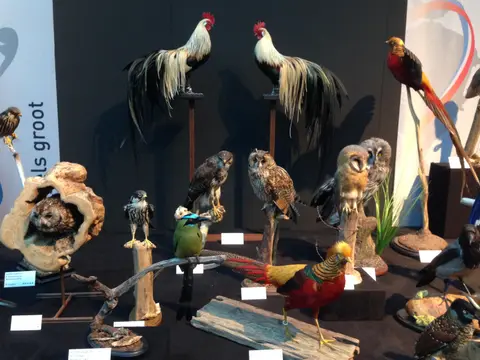
Ornamental birds such as peafowl and golden pheasants, chickens, quail, rabbits, sheep and cattle come from breeding and farming. Mounts are typically made from animals that died naturally or as a by-product of agriculture.
Hunting and wildlife management
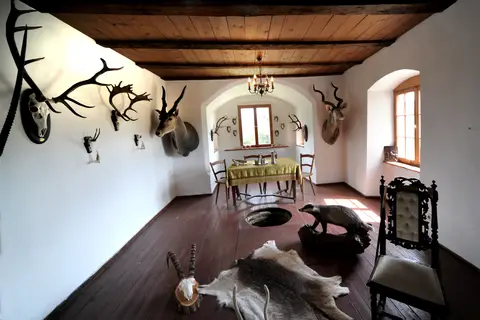
Roe deer, red deer, wild boar, foxes and mouflon are hunted under management plans across Central Europe. The meat is eaten; hide and antlers become mounts. Whether you support hunting is a personal matter – legally, mounts from lawful hunting are unproblematic.
Roadkill and found animals
Animals killed on roads can be mounted, but not by just anyone: in Germany, for example, the holder of the hunting rights owns game animals, and protected species need a permit from the nature conservation authority. Taxidermists there must keep a register of protected specimens they receive and hand over.
Old collections and antiques
Mounts from school, museum and private collections are often 50 to 150 years old. Giving them a second life instead of discarding them is one of the most sustainable forms of taxidermy.
Butterfly farms
Most tropical butterflies are reared on farms, which gives local communities an economic reason to preserve the forest habitats the butterflies need.
Grey areas worth discussing
- Trophy hunting of threatened species: even when legal and funding conservation, many buyers prefer to avoid it. Ask about species, country of origin and the source code on the permit.
- “Natural death” without evidence: only credible if a source – a zoo, park or keeper – can be named.
- Wild-caught exotic species: legal if the species is not listed, but not always sustainable. Prefer captive-bred animals when in doubt.
Five questions to ask any seller
- What is the scientific name of the species?
- Where does this specimen come from – zoo, breeder, hunting, found, collection?
- Which protection status applies, and which original documents will I receive?
- Who mounted it, and when?
- Can I see the documents before I buy?
A reputable seller answers without evasion. For the legal side, see CITES and taxidermy in the EU.
Alternatives without animal material
If you would rather avoid real animal material, replicas cast in resin – often from museum originals – offer the look without any wildlife-trade questions. Our replicas are clearly labelled.
Our principle at NaturKabinett
We only offer specimens whose lawful origin we can document. Where the origin of a specimen is documented, it is stated on its product page; the protection status and the documents you receive always are. What we cannot document, we do not sell. More: Buy taxidermy in Europe.
Frequently asked questions
Are animals killed to make taxidermy?
In reputable European taxidermy, generally not for that purpose. Specimens come from zoos and wildlife parks (natural death), breeders and farms, hunting and wildlife management, licensed roadkill or old collections. If in doubt, ask about the specific source.
Is "ethically sourced" a protected term?
No. It is only credible if the seller states the origin of the individual specimen – for example "zoo, natural death" – and provides the documents the species requires.
Is taxidermy from hunting ethical?
That is a personal judgement. In Central Europe, hunters manage deer and wild boar populations that have few natural predators, and meat and hides are used. If you object to trophy hunting of endangered species, ask specifically about origin.