CITES and taxidermy in the EU – annexes, Article 10 certificates and shipping explained
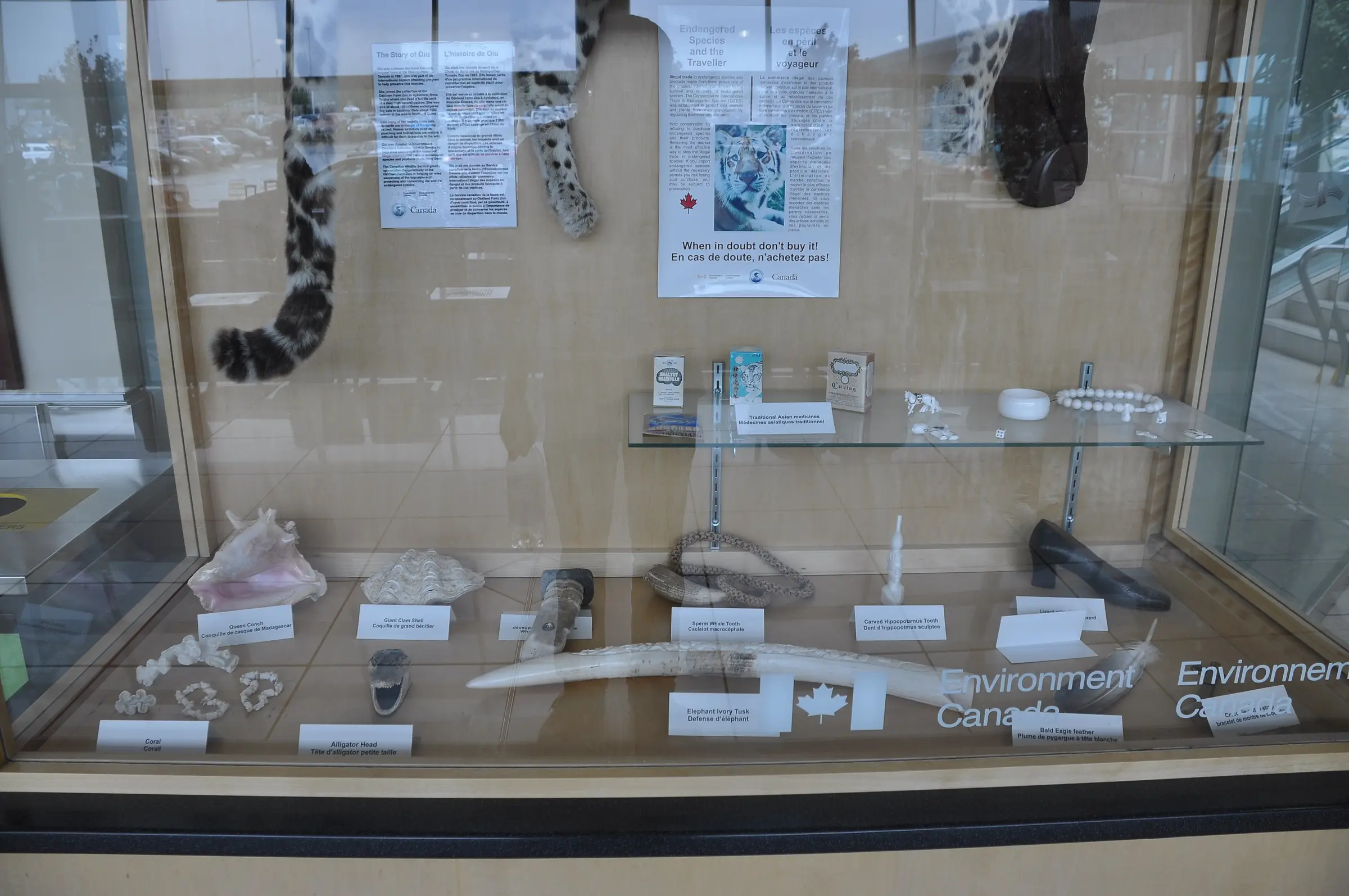
Photo: shankar s. from Dubai, united arab emirates, CC BY 2.0, via Wikimedia Commons
In short: In the EU, what matters is the species. Most mounts need no wildlife-trade papers. Annex B species need proof of legal acquisition; Annex A species – including all owls and almost all birds of prey – can only be sold with an Article 10 certificate for the individual specimen or as a worked antique acquired before 3 March 1947. Shipping outside the EU requires CITES permits.
Three layers of rules
- CITES – the Convention on International Trade in Endangered Species (1973) regulates international trade in three appendices (I–III).
- The EU Wildlife Trade Regulations – Regulation (EC) No 338/97 implements CITES in the EU, sometimes more strictly, and sorts species into Annexes A–D. For buyers in the EU, the annexes are what count.
- National law – member states protect additional native species. In Germany, for example, all wild European birds, hedgehogs, squirrels and bats are specially protected under the Federal Nature Conservation Act.
The EU annexes at a glance
| Annex | Examples | Trade within the EU |
|---|---|---|
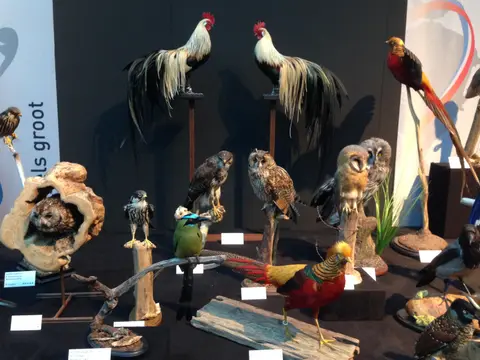
| A | all owls, most birds of prey, big cats, black crowned crane | prohibited – except with an Article 10 certificate or as a pre-1947 worked antique |
| B | many parrots, some antelopes and reptiles | allowed with proof of legal acquisition |
| C, D | species monitored in trade | no papers needed within the EU |
| not listed | most mammals, insects, marine animals | no wildlife-trade papers – national rules may still apply |
Article 10 certificates
An Article 10 certificate is issued by the authority of the member state where the specimen is located – in France, for example, the regional DREAL. It describes one specimen (often with a ring number or photos), states its source code and permits commercial use. A specimen-specific certificate stays with the mount through every sale within the EU; a transaction-specific one covers only one sale. When you buy, you should receive the original.
Common source codes: C (bred in captivity), F (born in captivity), O (pre-Convention), W (wild), U (unknown – must be justified).
The pre-1947 antique rule
Worked specimens acquired before 3 March 1947 are exempt from the Annex A trade ban within the EU, provided their age can be proven – through dated collection inventories, labels or an expert opinion. “Looks old” is not proof. Stricter rules apply to ivory since 2022.
Shipping outside the EU
- Switzerland: CITES re-export certificate from the EU; Switzerland requires import permits for some species; customs and Swiss VAT apply.
- United Kingdom: since Brexit a third country; Annex A and B species usually need a UK import permit in addition to the EU re-export certificate.
- USA: wildlife imports must be declared to the U.S. Fish and Wildlife Service; species covered by the Endangered Species Act and marine mammals face strict import bans.
Unlisted species – a fox, roe deer antlers, most butterflies – only need a normal customs declaration.
A buyer’s checklist
- Is the scientific name stated?
- Is the status specific – “not listed”, “Annex B with proof”, “Annex A with Article 10 certificate”?
- Does the certificate match this specimen?
- Will you receive the original documents with the mount?
- Will the seller check export rules before you buy if you live outside the EU?
How we handle it at NaturKabinett
Every product page states the protection status of the specimen and the documents you receive; originals are handed over with the mount once payment has been received. We deliver directly within the EU and check shipments to other countries case by case. Read on: Ethically sourced taxidermy and Buy taxidermy in Europe.
This guide is not legal advice. Last updated: October 2026.
Frequently asked questions
Do I need CITES papers for every taxidermy mount?
No. Most mammals, insects and marine animals in the trade are not listed at all. Papers are needed for species in EU Annexes A and B (and, for imports and exports, C), and for species protected by national law.
What is an Article 10 certificate?
A certificate issued by the wildlife authority of an EU member state under Article 10 of Regulation (EC) No 338/97. It exempts a specific Annex A specimen from the ban on commercial use and is valid throughout the EU.
Can I ship a mount to the UK or Switzerland?
Yes, but for listed species you need a CITES re-export certificate from the EU and often an import permit from the destination country. Allow several weeks. Unlisted species only need a normal customs declaration.